
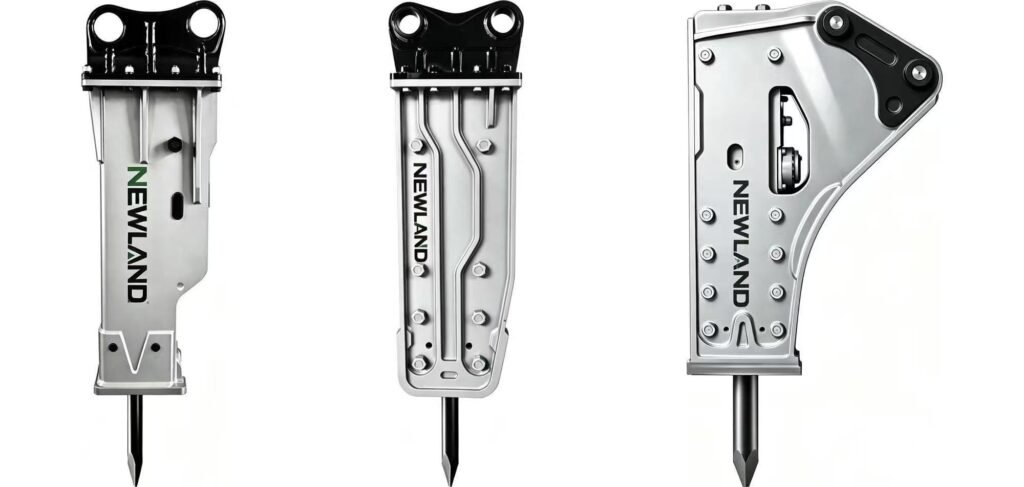
Describe the goods more precisely than machinery parts
A complete breaker and a box containing bushings, pins and seals are different shipment descriptions. Identify each item by its actual function and supply scope. Where an assembly is supplied, state what is included rather than relying on a broad label such as main body.
The description should be consistent with the order and physical goods. Include the relevant product reference and supporting technical information where needed for classification. Do not describe a complete item as loose parts merely to reuse an old document or an assumed tariff code.
Keep invoice and packing information aligned
The commercial invoice identifies the transaction and goods, while the packing list identifies how those goods are distributed across packages. Quantities, descriptions and package references should agree. Net and gross weights serve different purposes and should not be copied into each other’s fields.
Record origin according to the applicable rules and actual production facts. The seller’s location, shipment port and country of origin are not automatically the same. Special origin or preference claims need the required basis rather than an assumption that a shipping route establishes origin.
For example, if one crate contains a breaker and a separate group of spare tools, the packing information should make those contents intelligible rather than describing everything as one machine. If an order changes from a complete assembly to individual components, review the description and classification with the importer instead of copying the original file. Accurate item boundaries help the customs professional evaluate the goods actually presented without guessing from a commercial model name.
| Information group | What to prepare |
|---|---|
| Product identity | Complete breaker, assembly or specific part; model/reference and function |
| Transaction details | Buyer, seller, quantities, agreed values and currency |
| Packing | Package count, contents, marks, dimensions and net/gross weights |
| Origin | Accurate origin information and any required supporting basis |
| Technical documents | Product description and relevant drawings or specifications |
| Destination requirements | Confirmed classification, current documents and responsible importer review |
Do not copy a tariff code without a product review
The Harmonized System provides an international classification framework, while national schedules can extend it. An export reference or a code used for another component is not automatically the correct full import classification in the destination.
Have the importer or customs professional review the actual goods and the current tariff schedule. Where classification is uncertain, the relevant authority may offer an advance ruling process. This guide does not assign one universal HS code, duty rate or tax treatment to every breaker and spare part.
Resolve the document set before dispatch
Ask early whether the destination requires additional documents, language, inspections or product-compliance evidence. Keep responsibilities clear for preparing and checking the invoice, packing list and any supporting files. A packing list is not a substitute for the commercial invoice or a product-conformity document.
For a NEWLAND order, confirm the final item descriptions and package contents before the shipping file is completed. Any change in quantity, assembly scope or supplied configuration should be reflected consistently. This helps the importer review the shipment on its actual facts instead of trying to reconcile contradictory documents after arrival.
Related products and guides
Prepare a Hydraulic Breaker Parts Order for International Shipping
Hydraulic Breaker Shipping Terms: Questions to Confirm Before Dispatch
Hydraulic Breaker Compliance and Inspection Documents
How to Prepare a Product Inquiry
NEWLAND Hydraulic Breaker Manuals and Parts Documents