Bushings, retaining pins and through bolts are different hydraulic breaker components. They should appear as separate items in a parts inquiry. To choose the correct category, connect the requested item with its position in the breaker and the reference in your parts list; “wear part” alone does not identify a replacement.
Start with the position shown in your parts list
A close photograph of a loose component can leave its purpose unclear. Start with the breaker identification and a marked assembly illustration, if you have one. Show where the item belongs, then add a photograph of the complete component. This helps distinguish similar descriptions used by purchasing and workshop teams.
Keep the description in your own equipment records alongside the inquiry. A diagram position number and a part number are different references: record both in separate fields when available. If the name is uncertain, use an item label such as “Part A” and attach the marked image instead of guessing a catalog name.
The existing parts identification guide explains the general reference checklist. The next step is deciding which product category the requested item belongs to.
Distinguish bushings, retaining pins and through bolts
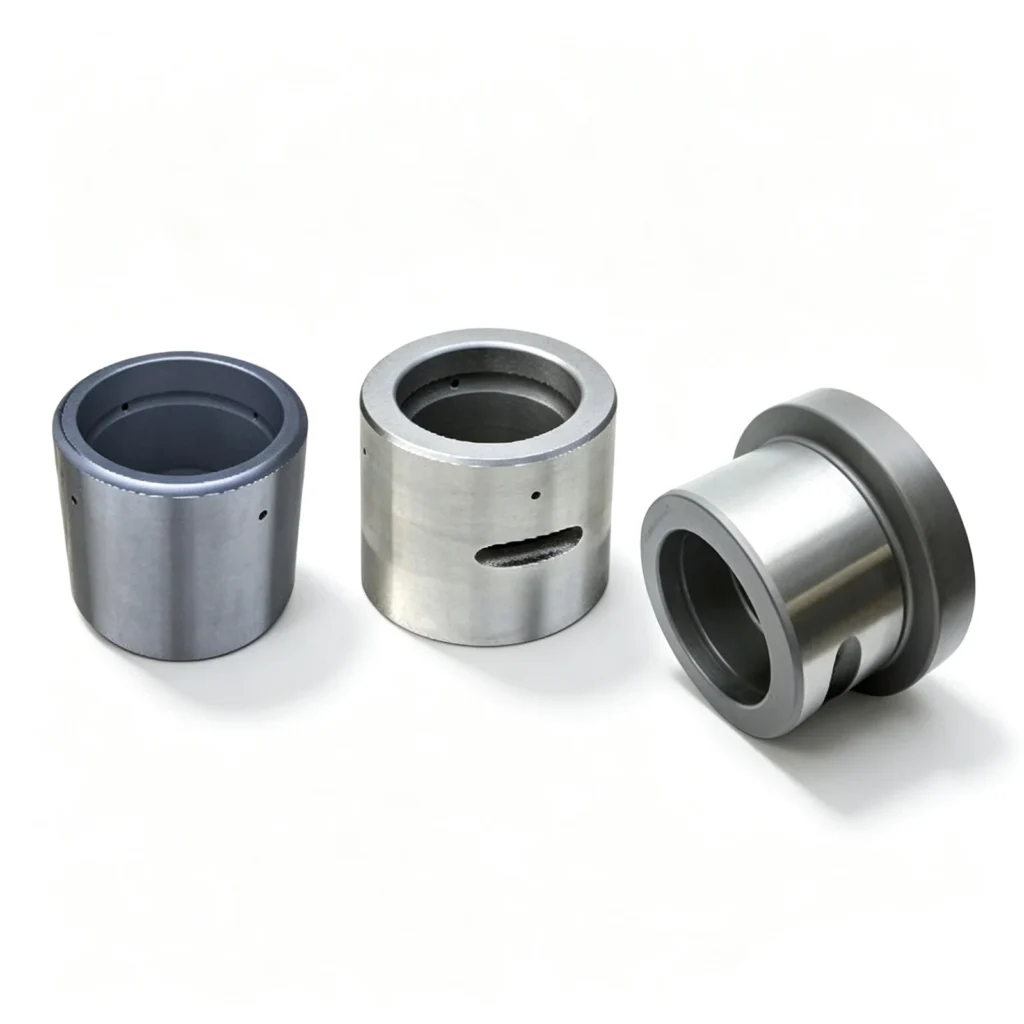
A bushing inquiry needs the item’s position as well as its profile. Descriptions such as front, inner or ring bush can help describe a request, but they do not establish a universal arrangement across breaker designs. Use the position and part reference shown in your equipment documentation.
A rod pin or chisel retainer inquiry concerns the identified tool-retaining component. Keep it separate from an excavator mounting pin or a quick coupler pin. A request described only as “breaker pin” should include an assembly view that makes that distinction clear.
A through bolt inquiry is a separate category again. Show the complete bolt and both ends, with any existing reference. Do not combine it with a tool-retaining pin request simply because both parts are long metal components.
| Requested category | Useful distinction in the inquiry |
|---|---|
| Bushing | Its specific position, complete profile and existing reference. |
| Rod pin or chisel retainer | The identified tool-retaining position and full pin profile. |
| Through bolt | The complete bolt, both end configurations and quantity. |
Treat wear as a condition, not a complete part name
Searching for “hydraulic breaker wear parts” can help begin a parts review, but it does not create a complete shopping list for every breaker. Which components require inspection or replacement depends on the actual equipment and its documented condition. A generic online list cannot determine that decision.
In the purchasing request, name the identified item first, then record its condition separately. Say when a photograph or measurement comes from a worn, damaged or incomplete component. That context matters because the old item’s current shape or dimensions may differ from the intended replacement reference.
This article does not set wear limits, replacement intervals or repair procedures. Use the equipment’s own documentation and a qualified assessment for those decisions. Once the required component has been established, its identity and quotation scope can be reviewed as a defined supply inquiry.
Keep quantities and included items separate
Assign a separate line to each bushing position or pin type. Do not assume that all bushings share a reference, or that a product category name establishes how many pieces a particular breaker uses. Keep the quantity beside the same label used on your photographs and references.
For through bolts, state whether you are asking for individual pieces or a defined set. List any additional items you want quoted rather than assuming they are included. The quotation should identify the proposed contents so the buyer can compare like-for-like offers.
When several items are requested together, ask for unresolved references to be identified clearly. This keeps a partially confirmed component list from being treated as a fully matched order.
Choose the right product page for your inquiry
Use the bushing page for an identified bushing, the rod pin page for an identified tool-retaining pin, and the through bolt page for the complete bolt request. If the item belongs to another assembly, return to the breaker parts directory rather than forcing it into one of these three categories.
For a quotation, send NEWLAND your item list, marked references and quantities. Include the breaker identification and the information already available. A clear component list lets the proposed parts, included items and remaining questions be reviewed together before you place an order.
Continue with the relevant product or guide
How to Identify Hydraulic Breaker Parts
Hydraulic Breaker Through Bolts
Hydraulic Breaker Tool Pin Seizure: What Must Be Checked Before Replacement