Understand the pin’s role
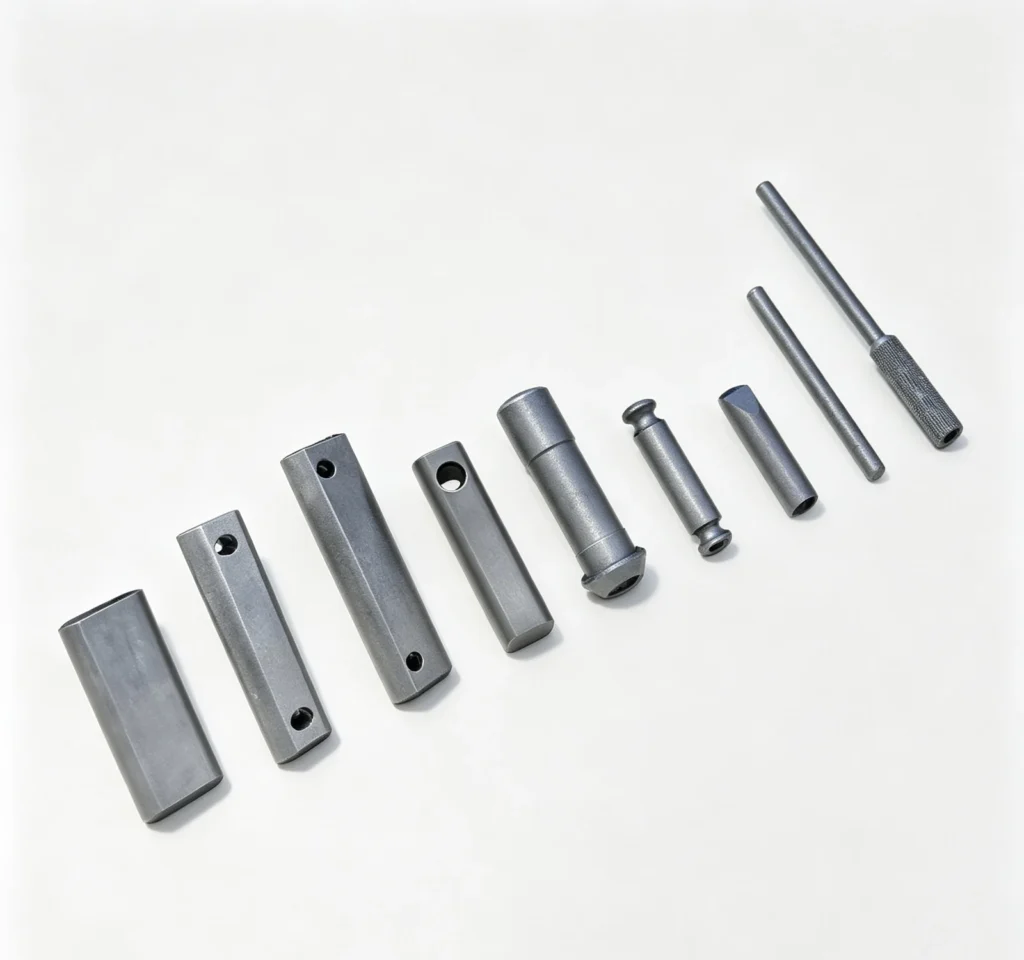
A tool-retaining pin works with the tool’s specified retaining feature to limit its movement in the breaker. It is not a general-purpose fastener, and its shape and material requirements depend on the design. A pin that enters a hole is not necessarily the correct retaining part.
When movement or loading becomes abnormal, contact at this interface can change. Deformation of the pin, damage to the tool groove or an issue in the surrounding housing may prevent normal service removal. The visible pin end alone does not reveal the condition inside.
Distinguish damage from obstruction
Dirt, corrosion and displaced material can obstruct an otherwise correctly identified component. Mechanical deformation can instead change the component’s shape or load it against adjacent surfaces. Both can make a pin feel stuck, but they do not justify the same repair decision.
The tool and guides also need assessment. A damaged tool or abnormal guide clearance can alter how loads reach the retaining interface. Replacing the pin without examining those parts can leave a repeated seizure or retention problem.
If a pin becomes stuck after the tool has fractured, the damage to the tool and retaining interface should be treated as one incident. The pin may be trapped by deformation rather than ordinary dirt. If seizure instead occurs after a long wet storage period, corrosion becomes a different inspection question. Both cases need the correct service method, but preserving their distinct histories helps the technician choose the assessment and avoid damaging an otherwise reusable housing.
| Inspection finding | Question it raises |
|---|---|
| Deformed pin or contact face | Was loading or component geometry abnormal? |
| Damaged tool retaining groove | Is the tool still serviceable and correctly matched? |
| Corrosion or packed debris | How did contamination or moisture reach the interface? |
| Repeated pin seizure | Were guides, tool and housing assessed together? |
| Unverified substitute pin | Does it meet the actual design specification? |
Avoid improvised extraction
Do not operate the breaker to shake a pin free, heat the housing, weld onto the pin or apply uncontrolled force as a generic solution. Such actions can release components, damage surrounding material or obscure the original failure condition. Any specialist method needs the correct technical basis and controlled work arrangement.
Service work requires the specified support, isolation and stored-energy controls. The tool may be heavy and its movement can create a crush hazard even when the carrier is off. A safe method must account for the actual assembly, not just the pin.
Replace the confirmed scope
The service assessment should state whether the pin, secondary retainers, tool or housing features are to be renewed and whether the mating components remain acceptable. Keep left/right or upper/lower positions clear where the design distinguishes them. Do not assume that a new pin set corrects damaged bores.
For NEWLAND replacement supply, use the breaker reference, pin drawing and agreed component coverage. Include the applicable retention accessories rather than relying on an incomplete part name. Return the attachment to service only after the prescribed assembly and acceptance checks confirm the retention system is complete.
Related products and guides
Hydraulic Breaker Rod Pins
Hydraulic Breaker Chisel Damage: Breakage, Mushrooming and the Next Inspection
Matching Hydraulic Breaker Bushings: Position, Drawing and Measurements
How to Identify Hydraulic Breaker Parts
Breaker Bushings, Retaining Pins and Through Bolts: Which Part Are You Requesting?
Hydraulic Breaker Through Bolt Replacement: A Parts Matching Checklist