
Ask how the part will be identified later
Hydraulic breaker parts availability begins with a reliable identification system. Before purchasing a breaker, establish how future requests will connect the machine, assembly and component. A clear parts reference is more useful than an assurance that “all parts are available” without an explanation of what that covers.
Ask which identification details should be retained from the delivered breaker. The parts record should make it possible to distinguish similar components and different configurations. Keep the original order reference, breaker identification and relevant drawing or document revision together.
Distinguish supply scope from current availability
A component can be within a supplier’s product range without being ready for immediate dispatch. Availability statements should identify the item, quantity and time at which they were confirmed. An old stock statement is not a standing promise for every future order.
| Question | What a useful answer identifies |
|---|---|
| Which parts can be supplied? | Named categories or component references |
| How is a component matched? | Required machine details, drawings or approved references |
| What is available now? | The actual item and quantity covered by the statement |
| What does a quoted assembly include? | Its included and excluded components |
| Which support is provided? | The defined communication and document scope |
Define support responsibilities before they are needed
Technical clarification, installation, maintenance and repair can involve different parties. Record who supplies product information and who carries out the work. Do not assume that a parts-supply offer includes onsite repair or a local service arrangement unless that responsibility is explicitly agreed.
Useful support communication includes the problem description, item identity and the evidence needed for a review. It should also have a clear contact and escalation path. This makes a future inquiry more manageable without promising that every fault can be diagnosed from a photograph.
Build a small parts file that follows the breaker
The file should contain the confirmed breaker configuration, relevant parts references, document revisions and the history of replacements that affect matching. When an assembly changes, update the record. Otherwise, a later request can repeat a once-correct part for a configuration that no longer exists.
For example, a hypothetical buyer may record the working-tool reference at delivery but omit the bushing positions. When wear parts are later needed, the tool reference alone may not identify every required component. A basic assembly record closes that gap without requiring the buyer to stock every possible part.
- Store identification photographs with the order reference.
- Retain approved drawings rather than only quotation descriptions.
- Separate single components from assemblies and kits.
- Record any configuration changes after installation.
Use the review to make a practical purchasing decision
Parts planning should reflect the intended work and the buyer’s maintenance arrangements. Ask which information is available for routine wear items and which components need a more detailed review. Any decision to hold parts should use actual requirements, consumption records and order-specific supply information.
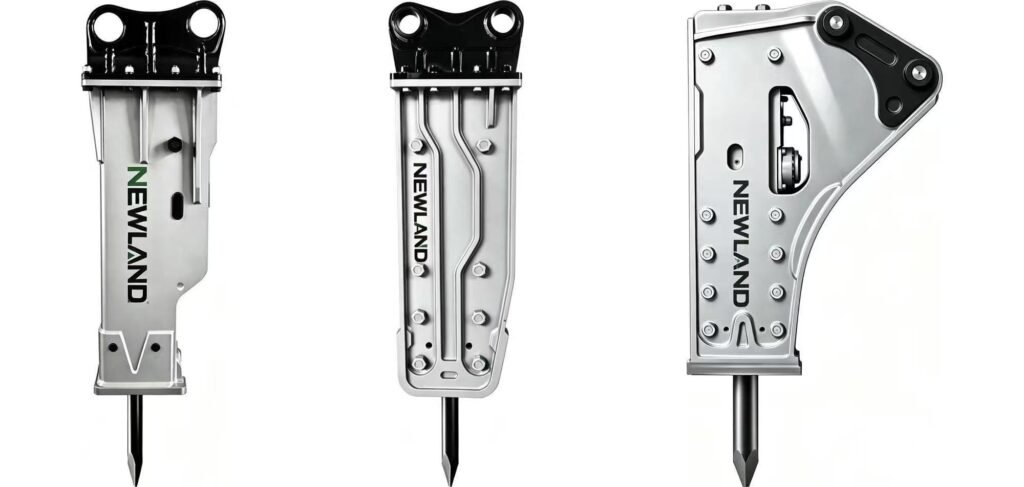
NEWLAND supplies hydraulic breaker components, wear parts and working tools. Use the parts directory to identify the relevant category and the parts-identification guide when the reference is uncertain. A well-defined parts file connects the original breaker purchase with later support and repeat orders, reducing avoidable uncertainty in the inquiry.
Related products and guides
Hydraulic Breaker Parts
How to Identify Hydraulic Breaker Parts
Reordering Hydraulic Breaker Parts: Keep the Reference and Revision Together
Hydraulic Breaker Total Cost of Ownership: A Buyer’s Checklist
Product Matching and Supply
How to Review a Hydraulic Breaker Inspection Record Before Shipment
Aftermarket vs OEM Hydraulic Breaker Parts: What the Quote Must Identify