
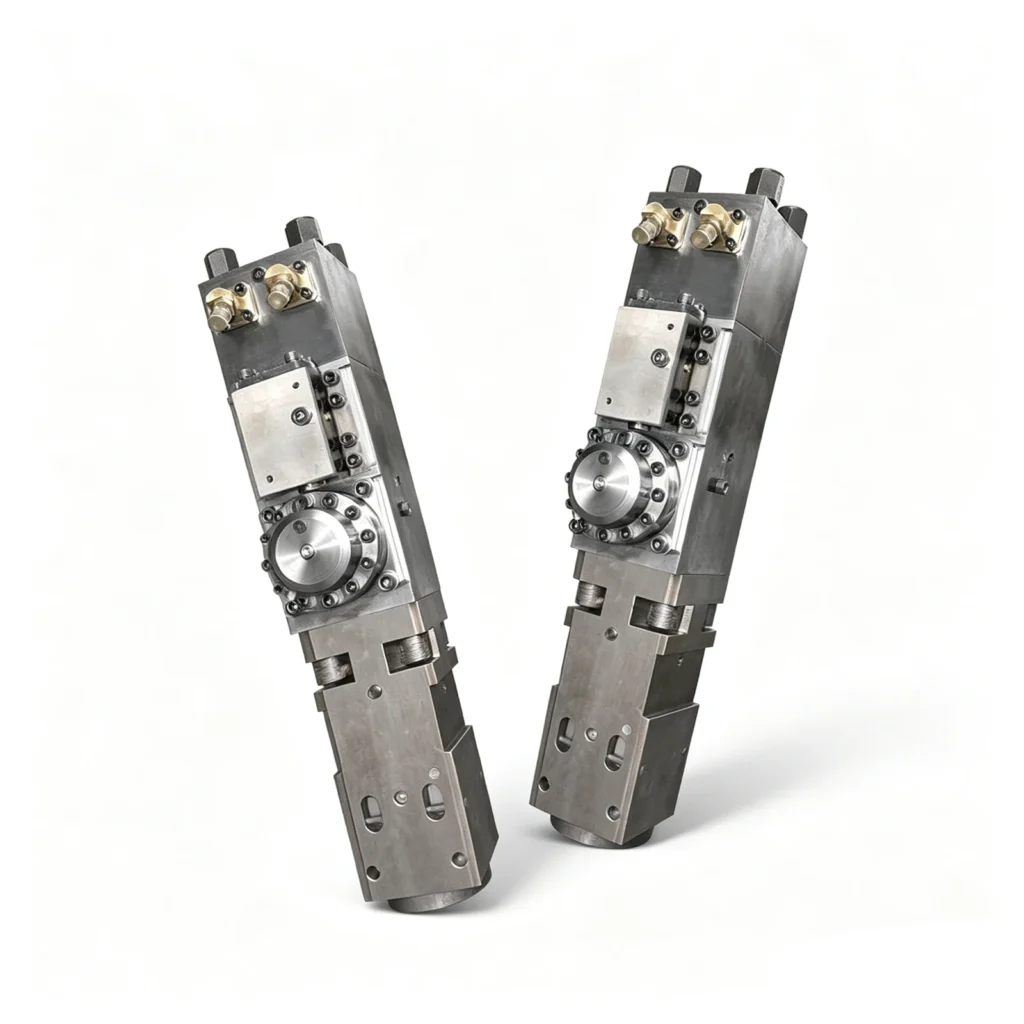
A useful hydraulic breaker parts quotation starts with a clear boundary: the component you want, the items included with it, and the items quoted separately. A main body, cylinder assembly or spare parts package can describe different purchasing scopes. Define the contents before comparing prices.
Name the replacement scope first
Start the request with one sentence that explains the purchase. For example: “Please quote the cylinder shown in the attached reference as an individual item,” or “Please quote the marked assembly and list its included components.” This makes the intended scope visible before the supplier reviews photographs or references.
Keep that purchasing decision separate from a technical decision about what needs replacement. A request for one damaged-looking component does not establish whether it is the only affected item. Your equipment records and a qualified assessment should establish the required work; the quotation then describes the goods requested.
If you have not decided between a component and an assembly, ask for separately identified options. Name the same breaker and reference information in both options so the difference is the supply scope, rather than an unexplained change of product.
Separate a part, an assembly and a complete breaker
An individual part is a defined line item, such as a breaker piston. An assembly is a combination of specified components. A complete breaker is a different purchasing scope again. None of those descriptions tells the buyer every included item unless the quotation provides a list.
Take particular care with the description main body. In a purchasing conversation, it needs a marked image or component list to establish its boundary. Do not assume that another person’s use of the term includes a cylinder, piston, heads or working tool. Ask which items the proposed quotation covers.
The same applies to a cylinder assembly. Ask whether the quotation is for the identified cylinder alone or a defined combination. A product photograph can show several items together without making all of them part of the quoted supply.
List associated components as individual lines
Use a short item schedule when more than one component is required. Give each item its own label, description, reference and quantity. Connect those labels with the relevant photograph or marked illustration. This is especially useful when different staff members prepared the purchasing list and the supporting images.
| Quotation field | What to make clear |
|---|---|
| Requested item | The named component or marked assembly boundary. |
| Included components | The items expressly covered by the proposed assembly price. |
| Separate items | Additional components, each with its own quantity. |
| Unresolved details | References or version questions still awaiting confirmation. |
For example, a front head request and requests for bushings or rod pins should remain identifiable even when sent together. Similarly, asking for a through bolt set should identify what “set” means in that quotation. Additional nuts, washers or other items should be listed for confirmation, rather than assumed to accompany the bolts.
Make two quotations comparable
Compare the proposed contents before comparing the total price. Check whether both quotations describe the same reference, version, quantity and assembly boundary. An individual component price and an assembly price answer different requests, even if their headings use similar language.
Also check whether a quantity means individual pieces or defined sets. Keep any alternatives on separate lines. If one quotation leaves an item unspecified, ask for that item to be clarified instead of treating it as included. Record the agreed description in the final purchasing documents.
A clear scope does not establish fitment by itself. The proposed part or assembly still needs to be checked against the breaker identification and supporting references. If you need help gathering those records, use the breaker parts identification checklist.
Build a clear scope before requesting a quote
Before sending the inquiry, check that someone who has not seen the equipment can connect each requested item with its reference image and quantity. State which assembly contents are essential, which additional items you want priced, and which fields remain unknown. Keep the delivery destination and required purchasing schedule with the request.
NEWLAND’s breaker parts directory provides a starting point for the component categories already listed on this website. To discuss a specific scope, send your parts list and reference images to NEWLAND. Request a quotation that identifies the proposed goods and their included items so your team can review the same purchasing scope before ordering.
Continue with the relevant product or guide
Hydraulic Breaker Parts
Hydraulic Breaker Front Heads
Hydraulic Breaker Main Bodies
Prepare a Hydraulic Breaker Parts Order for International Shipping