Home / Resources / How to Choose a Hydraulic Breaker
Buying guide / Complete breakers
How to Choose a Hydraulic Breaker
Start with the carrier and the work. A useful breaker inquiry brings both together, with hydraulic and mounting information for a manual compatibility review.
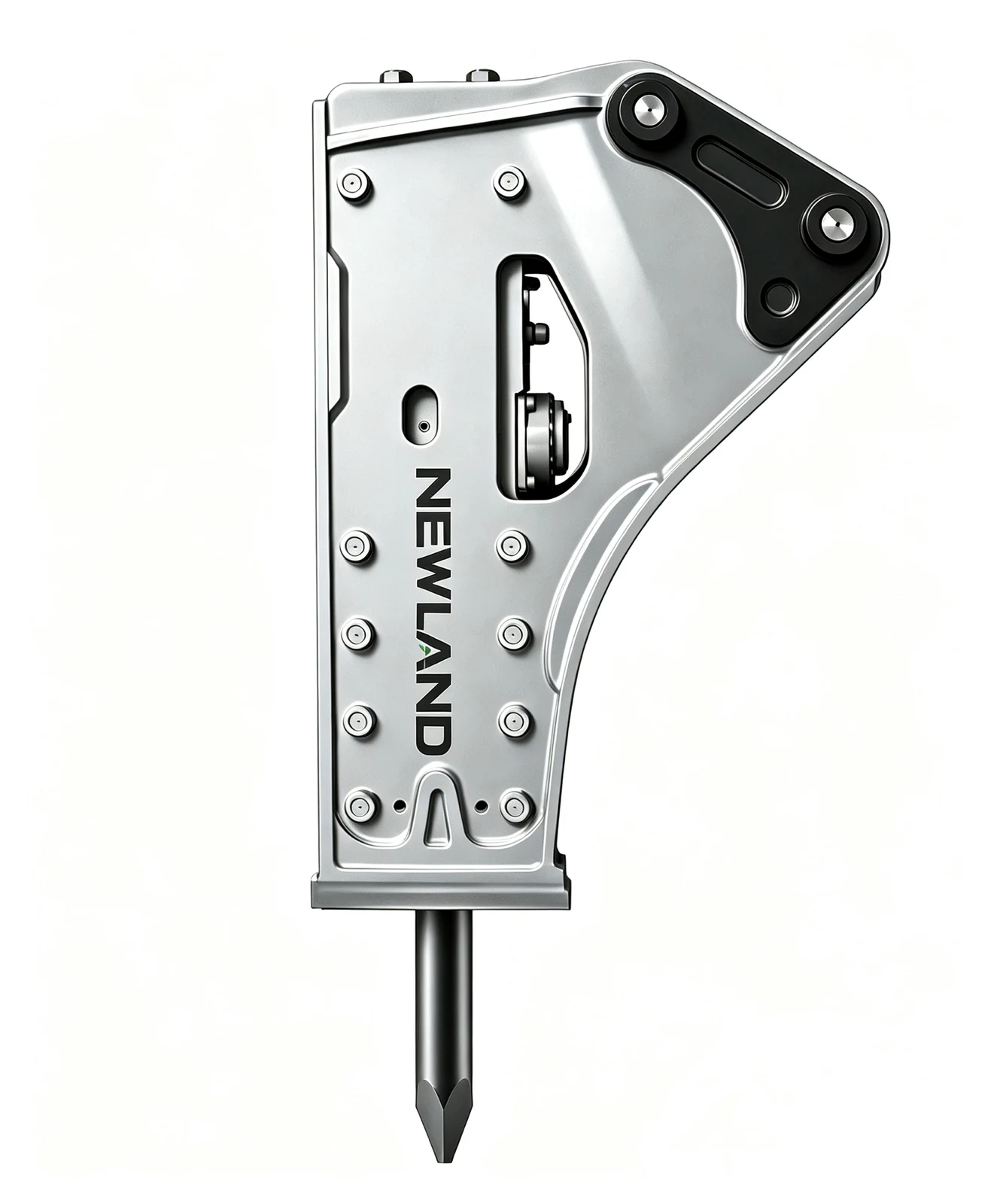
Featured models represent part of our range. Contact us for other models, excavator weight ranges and tool diameters.
Identify the carrier accurately
Share the excavator manufacturer, full model designation and operating weight from its documentation. Include the year or serial reference where available, and mention a long reach boom, special undercarriage or other configuration that differs from the standard machine.
Carrier weight helps narrow a discussion, but it does not confirm a complete match. A machine model alone may also leave questions about its installed equipment. Send a clear carrier plate photograph and relevant specification pages so the inquiry describes the actual machine.
Describe the job before comparing products
Explain what you intend to break and where the work takes place. Concrete demolition, road work and rock breaking create different purchasing briefs. Rock type and block size, typical job size, expected use and site access instead of asking only for the largest available hammer.
Add any project requirements concerning noise, working space or the form of the breaker housing. If a contractor or tender specifies a feature, attach that requirement. Performance targets need to be considered in the context of the carrier and application; photographs alone cannot establish an appropriate working specification.
Gather the hydraulic and mounting information
Provide the carrier’s documented attachment circuit information, including available oil flow and the relevant pressure and return requirements. State the units and source of each figure. If these details are unknown, flag them for your equipment provider or qualified technician to verify.
Describe how the breaker will connect to the machine: directly to the carrier or through an existing coupler. Include the coupler make and model if applicable, plus any existing mounting drawings or confirmed dimensions. Note whether the inquiry includes an adapter, hoses or other connection components so the proposed scope is clear.
| Information | Useful reference |
|---|---|
| Carrier identity | Machine plate and specification sheet |
| Hydraulic circuit | Carrier documentation or a technician’s verified information |
| Mounting interface | Existing coupler identity, drawings or confirmed dimensions |
| Application | Material, worksite conditions and intended use |
Confirm the proposed package before ordering
Ask for the proposed product reference and the agreed package in writing. Confirm what is included, what your team will provide, and which compatibility questions remain open. Where dimensions are supplied, ensure the drawing and revision relate to the proposed equipment.
Selection should be reviewed by people using the carrier documentation and confirmed product details. An online category, similar photograph or indicative carrier class is a starting point for discussion. Final compatibility and any site specific requirements need to be resolved before an order is placed.
Explore hydraulic breakers
Send your carrier and application details
CONTINUE EXPLORING
Related products and guides
Hydraulic Breaker Sizing: Why Excavator Weight Is Only the Starting Point
Mini Excavator Breaker Matching: When Is a Proposal Ready for Quote Review?
Choosing a Hydraulic Breaker for a Skid Steer
Hydraulic Breaker Compatibility Checklist: Carrier, Oil Circuit and Mounting
Hydraulic Breakers for Mini Excavators
Hydraulic Breakers for Skid Steers
Hydraulic Breakers for Backhoes
Large Hydraulic Breakers
Hydraulic Breaker for a Backhoe: Matching Before You Order
Hydraulic Breaker Mounting Dimensions: What to Measure Before Ordering
Hydraulic Breaker Matching for Special Carrier Setups
Hydraulic Breaker Flow, Pressure and Return Line Requirements
Compare overlapping NLB models with real specifications
A 15–18 Ton carrier range appears in the overlap between NLB120 (12–18 Ton) and NLB125 (15–18 Ton). The hydraulic requirements are different: NLB120 lists 115–150 L/min and 160–180 bar operating pressure, while NLB125 lists 90–120 L/min and 150–170 bar.
The larger tool diameter also does not imply a heavier breaker. NLB125 lists a 125 mm tool and 1,427 kg operating weight. NLB120 lists a 120 mm tool and 1,463 kg. Use carrier weight to create a shortlist, then compare the full specification and confirmed assembly rather than selecting by one number.
CONTACT NEWLAND
Need a breaker or replacement part?
Email gordon@newlandbreaker.com with the product or component, your equipment details and delivery country. Attach photos or existing references if available.
Your email app will open. Attach any photos or drawings before sending.